

Managing Diabetes: Medications and Lifestyle Tips
Complete Guide to Diabetes Management
Diabetes is a chronic condition requiring careful management. Combining appropriate medications with lifestyle modifications enables effective control and prevents complications. Here's what you need to know.
Types of Diabetes Medications
1. Metformin
The first-line medication for Type 2 diabetes. It reduces glucose production by the liver and improves insulin sensitivity. Usually taken with meals, 1-3 times daily.
2. Sulfonylureas
These medications stimulate insulin release from pancreas. Examples: Glipizide, Glyburide. Taken before meals, usually once daily.
3. DPP-4 Inhibitors
Help regulate blood sugar after meals. Well-tolerated with minimal side effects. Examples: Sitagliptin, Vildagliptin.
4. GLP-1 Agonists
Newer medications that improve blood sugar control and aid weight loss. Often injected weekly.
5. Insulin Therapy
Essential for Type 1 diabetes and advanced Type 2. Multiple types available: rapid-acting, long-acting, and mixed formulations.
Medication Schedule Tips
- Set phone reminders for medication times
- Use pill organizers (weekly boxes)
- Take medications at same time daily
- Keep a medication diary
- Don't skip doses even if feeling fine
- Inform doctor before stopping any medication
Monitoring Blood Sugar
Regular monitoring is essential for diabetes control:
- Check fasting blood sugar: 80-130 mg/dL (target)
- Check post-meal sugar: Below 180 mg/dL
- Monitor HbA1c every 3 months
- Keep detailed records for doctor review
- Identify patterns and triggers for high readings
Dietary Management
Focus on balanced nutrition:
- Choose whole grains over refined carbohydrates
- Include lean proteins in every meal
- Eat plenty of non-starchy vegetables
- Control portion sizes
- Limit sugar and refined foods
- Stay hydrated with water
Exercise and Physical Activity
Aim for 150 minutes of moderate exercise weekly:
- Walking, swimming, or cycling
- Strength training 2-3 times weekly
- Avoid prolonged sitting
- Exercise at consistent times
- Check blood sugar before intense exercise
Lifestyle Modifications
- Weight management: Even 5-10% weight loss improves control
- Stress management: Practice yoga, meditation, or breathing exercises
- Sleep quality: Aim for 7-8 hours nightly
- Avoid smoking: Increases diabetes complications
- Limit alcohol: Can cause unpredictable blood sugar
Regular Medical Care
Schedule regular check-ups with your healthcare team. Monitor kidney function and eye health. Discuss medication effectiveness and side effects. Adjust treatment plan as needed.
Key Takeaway
Successful diabetes management requires consistent medication adherence, healthy lifestyle choices, and regular monitoring. With proper management, you can prevent complications and live a full, healthy life. Work closely with your healthcare provider to optimize your treatment plan.
Related Articles
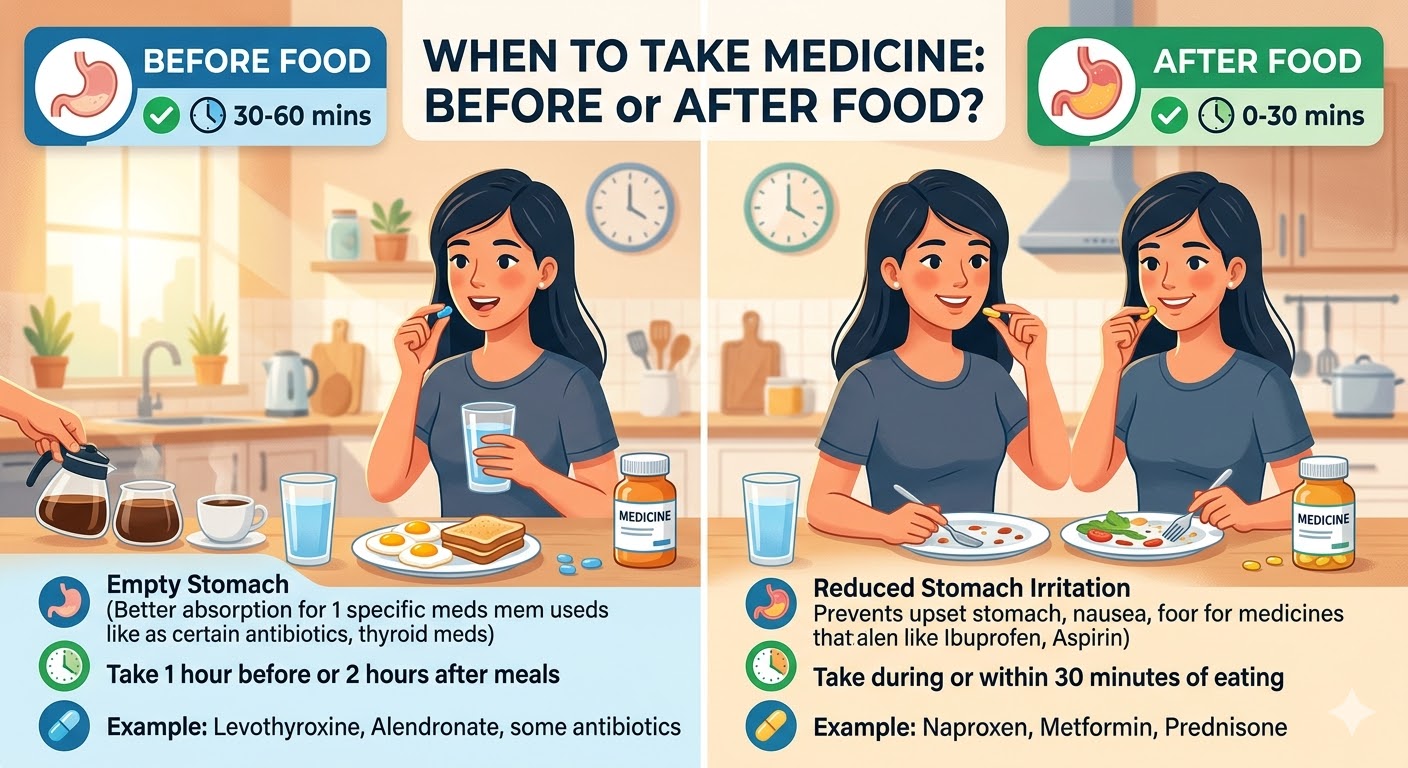
When to Take Medicine: Before or After Food?
Discover whether to take your medicines before or after meals. Understand how food affects medicine absorption and get expert guidance for different medication types.
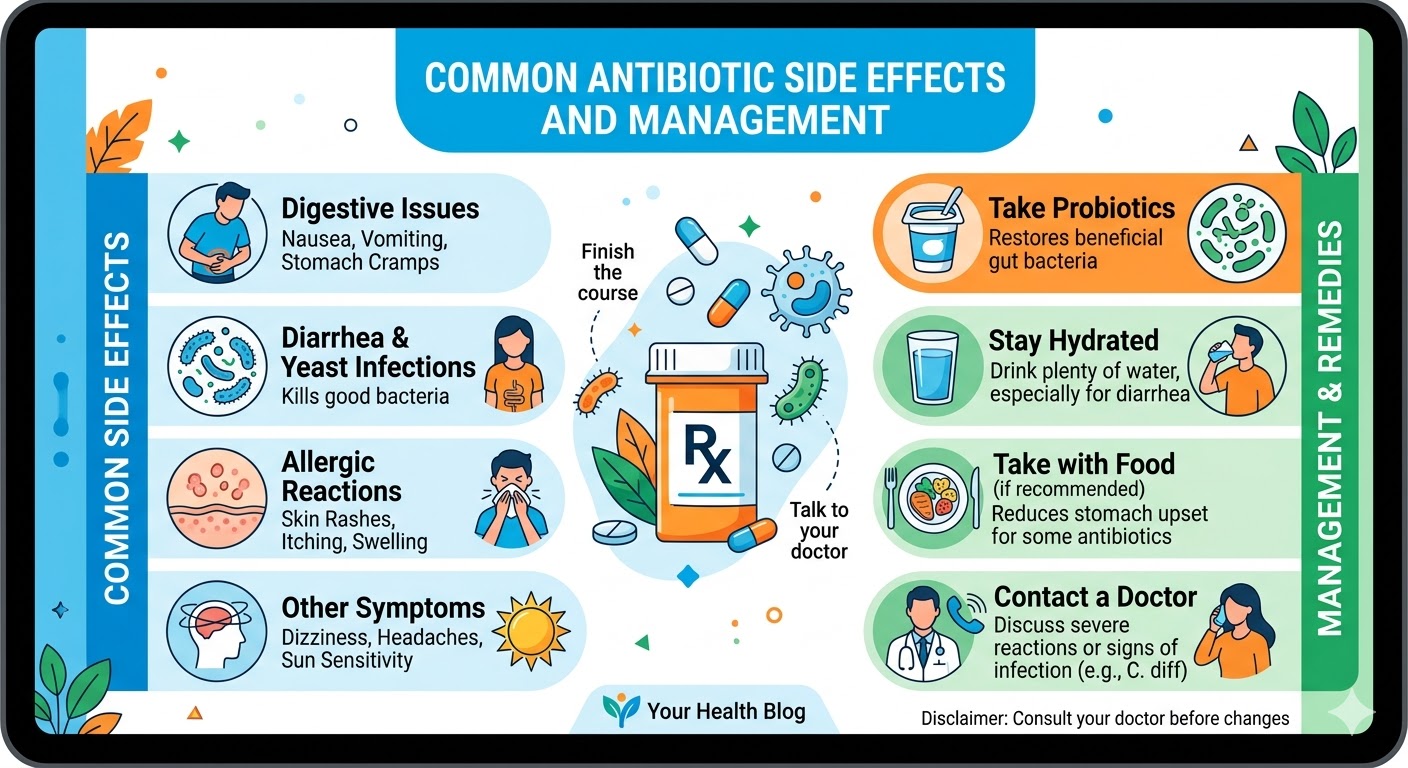
Common Antibiotic Side Effects and Management
Antibiotics save lives but can cause side effects. Learn about common reactions, how to manage them, and when to contact your doctor for proper guidance.
